

Everyone reaches this point.
But very few feel fully prepared for it.
Choosing the right degree after intermediate can feel overwhelming, especially when you are surrounded by multiple options, expectations, and opinions. At this stage, it often feels like one decision will define your entire future.

However, the reality is far more practical:
The right choice comes from clarity, not pressure.
It’s not about the “best” degree
There is no single degree that works for everyone.
What matters is finding what works for you.
Many students search for the best degree after inter, hoping for a clear answer that guarantees success. In reality, degrees do not determine outcomes on their own. Students often assume certain fields automatically lead to financial stability or prestige, when in fact success depends more on skills, effort, and alignment with the field.

Instead of asking, "Which degree is the best?”
Start asking: “Which degree fits me the best?”
This small shift in thinking makes a big difference.
Start with what genuinely interests you
Interest is not optional.
It is what keeps you going.
Think about the subjects you enjoy, the topics that naturally capture your attention, and the type of work you can see yourself doing consistently. When students choose a degree based purely on trends or external influence, motivation often fades over time

This is not just practical advice; research also supports it. A study published in Frontiers in Psychology found that students choose university degrees based on a combination of motivations, including personal interest, career goals, and expected outcomes, rather than external pressure alone.
Choosing something you enjoy does not make things easier; it makes them sustainable.
Understand your strengths, not just your marks
Marks reflect performance.
Strengths reflect direction.
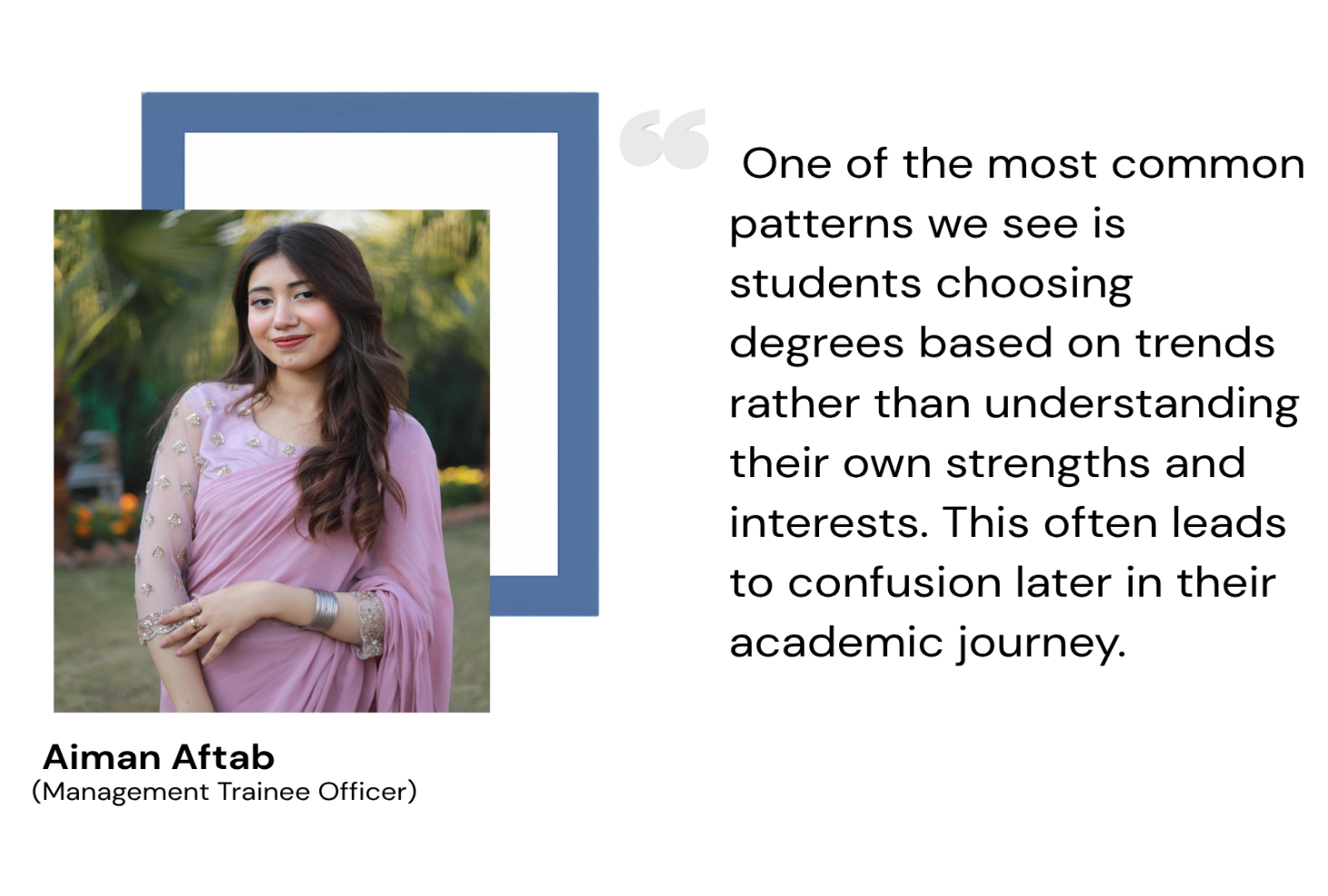
Scoring well in a subject does not always mean it is your strongest area, just as having average marks does not mean you lack potential. Your strengths lie in how you think, solve problems, and approach challenges.
For example:
• If you enjoy analytical thinking, technology-related fields may suit you
• If you prefer communication and strategy, business or media may be a better fit
• If you are inclined toward scientific reasoning, health sciences could be the right path
A well-informed decision reflects both performance and potential.
Explore career outcomes before deciding
Every degree leads somewhere.
Understanding that direction is essential.
When you understand where a degree can take you, your decision becomes more informed and purposeful.
Before making a decision, take time to understand what kind of careers are connected to your chosen field. Look into the roles, required skills, and future demand within that industry. A degree is not just an academic choice; it is a pathway.

For instance:
• Computer Science opens doors to software development, AI, and data-driven roles
• Business degrees lead to careers in management, finance, and entrepreneurship
• Pharm-D prepares students for clinical, research, and healthcare careers
Understanding the combination of degree, skills, and industry demand leads to more informed and realistic decisions.
Think about the future, not just the present
The job market is evolving rapidly.
Your decision should reflect that.
Today, employers value practical skills, adaptability, and problem-solving abilities more than theoretical knowledge alone. . This means that when evaluating university programs in Pakistan, students must look beyond course titles.
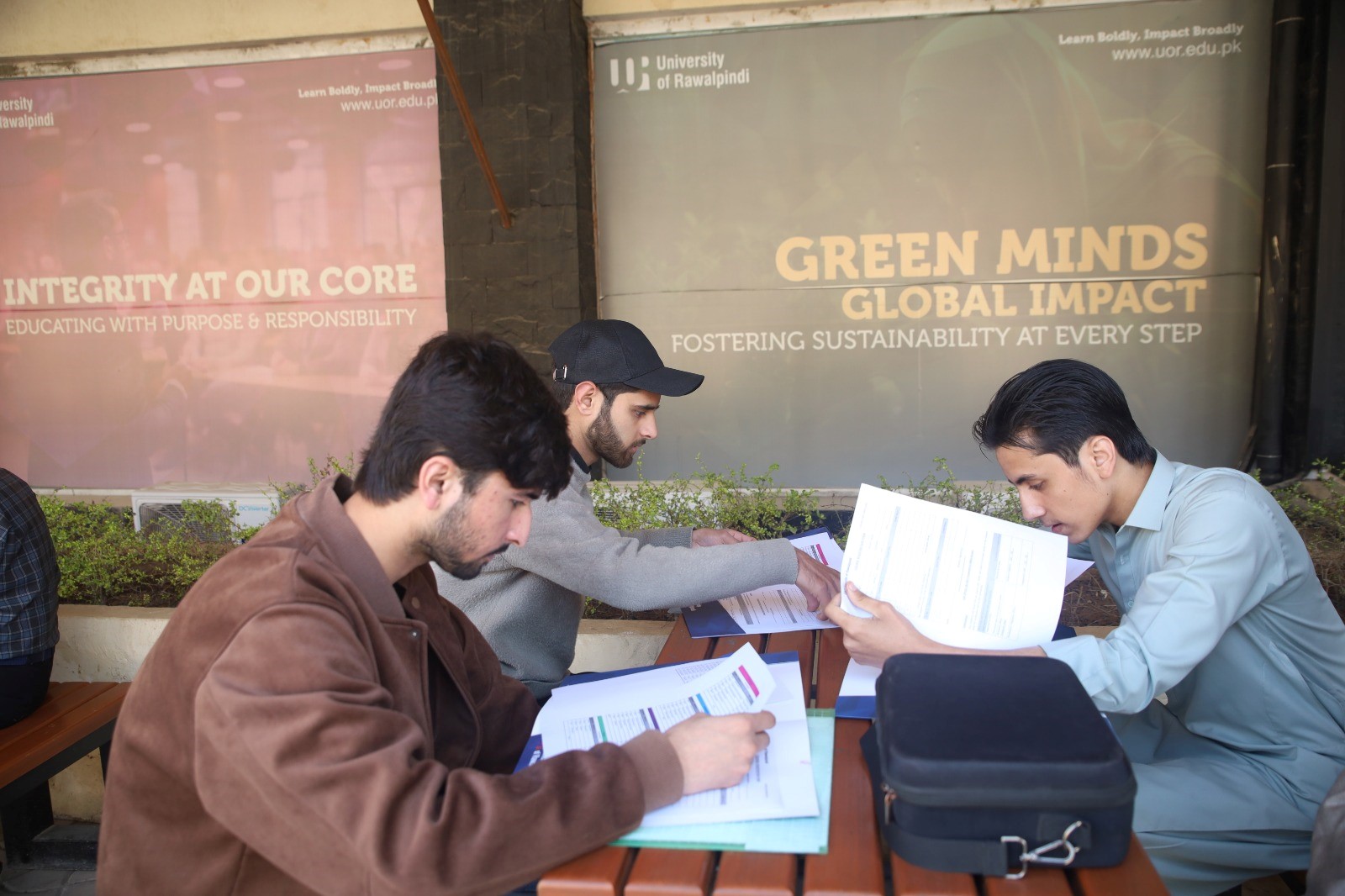
When exploring university programs in Pakistan, consider:
• Whether the program includes practical learning opportunities
• If there are projects, internships, or industry exposure
• How well it prepares students for real-world challenges
A good degree is not just about what you study but how you learn it.
Look beyond the degree title
The name of a program is only one part of the decision.
The experience behind it matters more.

Two universities may offer the same program, but the quality of learning can differ significantly. Factors like teaching methods, faculty support, industry exposure, and campus environment play a major role in shaping your experience.
Choosing the right university strengthens your degree and enhances your overall growth.
Seek guidance, but filter it wisely
Advice can help you move forward.
But not all advice is useful.

In many cases, students rely heavily on parental advice or peer influence. While family guidance is valuable, especially in our cultural context, admission experts note that excessive pressure can sometimes limit independent thinking and lead to unsuitable choices.
It is important to:
• Speak with seniors and professionals
• Consult faculty or academic advisors
• Explore options independently
The goal is to make a decision that is both informed and personally aligned. The best decisions are informed, not influenced.
It’s okay to take your time
Clarity is not instant.
And it is not supposed to be.

Many students feel pressured to decide quickly, but choosing a degree is a process that requires exploration and reflection. Taking time to research and understand your options leads to better outcomes.
What matters most is that your decision is thoughtful and well-informed.
The UOR perspective: guiding students toward the right choice
At UOR, choosing a degree is treated as an important step, not just a formality. Students are supported through:
• Program awareness sessions
• Faculty interaction
• Exposure to real-world learning environments
• Academic guidance and counseling

The focus is not just on enrollment but on helping students find the right direction for their future decisions that align with their abilities, interests, and future goals.
Your degree is a starting point, not the final destination
One decision will not define everything.
But it will shape your direction.
When you choose the right degree after intermediate, you are building a foundation for future growth, learning, and opportunities.
Take your time.
Ask the right questions.
And choose with clarity and confidence.
If you’re still unsure, start by understanding yourself better. Try the career assessment form to get a personalized recommendation report and move forward with more clarity and confidence.
Still have questions about admissions?
Choosing the right degree is easier when you have clear answers.
Explore the official UOR Admissions FAQ to understand eligibility, programs, and the admission process in detail.