You can learn AI in a classroom.
But you understand it in the real world.
At University of Rawalpindi (UOR), students are stepping beyond lectures and into environments where artificial intelligence is not just taught; it’s built, tested, and applied.
The AI field visit to Pakistan’s leading research hubs was one such moment.
Where theory met reality.
Why AI education needs more than lectures
Slides explain concepts. Reality tests them!
Across many universities, AI is still taught through theory-heavy methods. Students learn algorithms, models, and datasets, but often struggle to see how these ideas function in real-world systems.
That gap matters.
Because today’s industries don’t just need knowledge.
They need application.
A step beyond campus learning
This wasn’t just a visit. It was exposure!
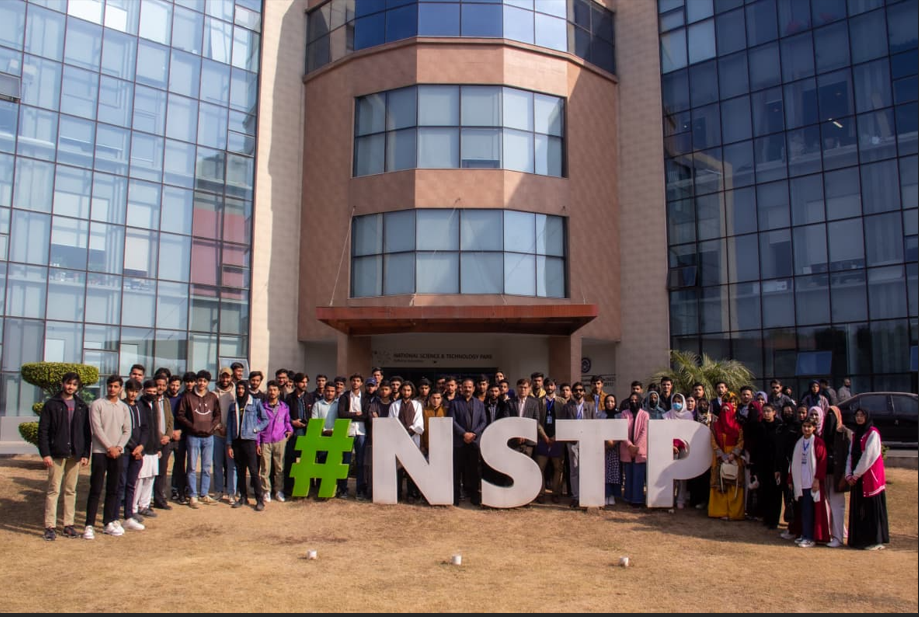
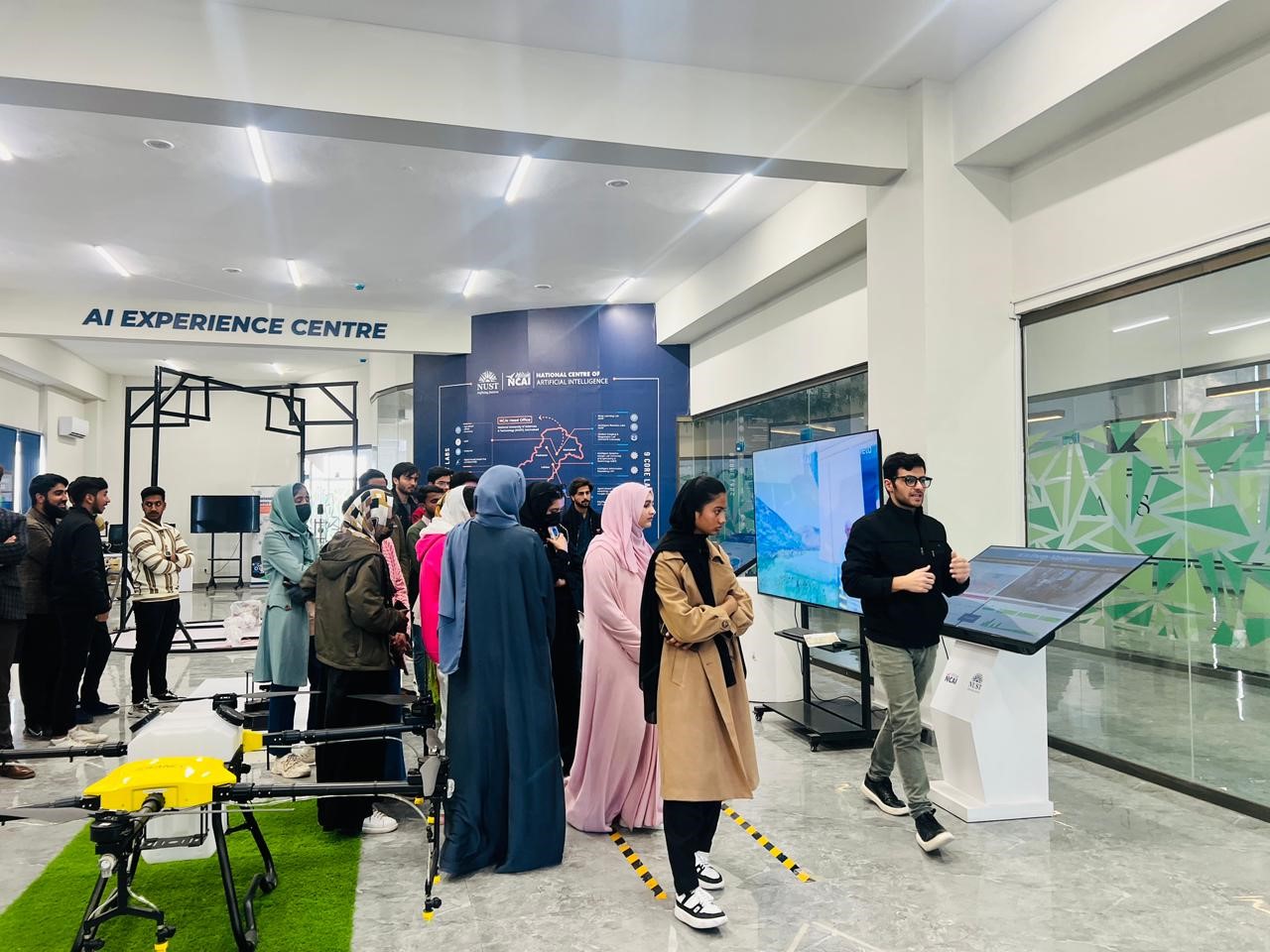 Artificial Intelligence research activities at the NSTP, NUST
Organized by the Department of Computing and Intelligent Systems at UOR, students visited:
The goal was simple:
Show how AI moves from classroom concepts to real innovation
At NSTP: Where ideas turn into solutions
Innovation is not theoretical.
It’s built step by step.
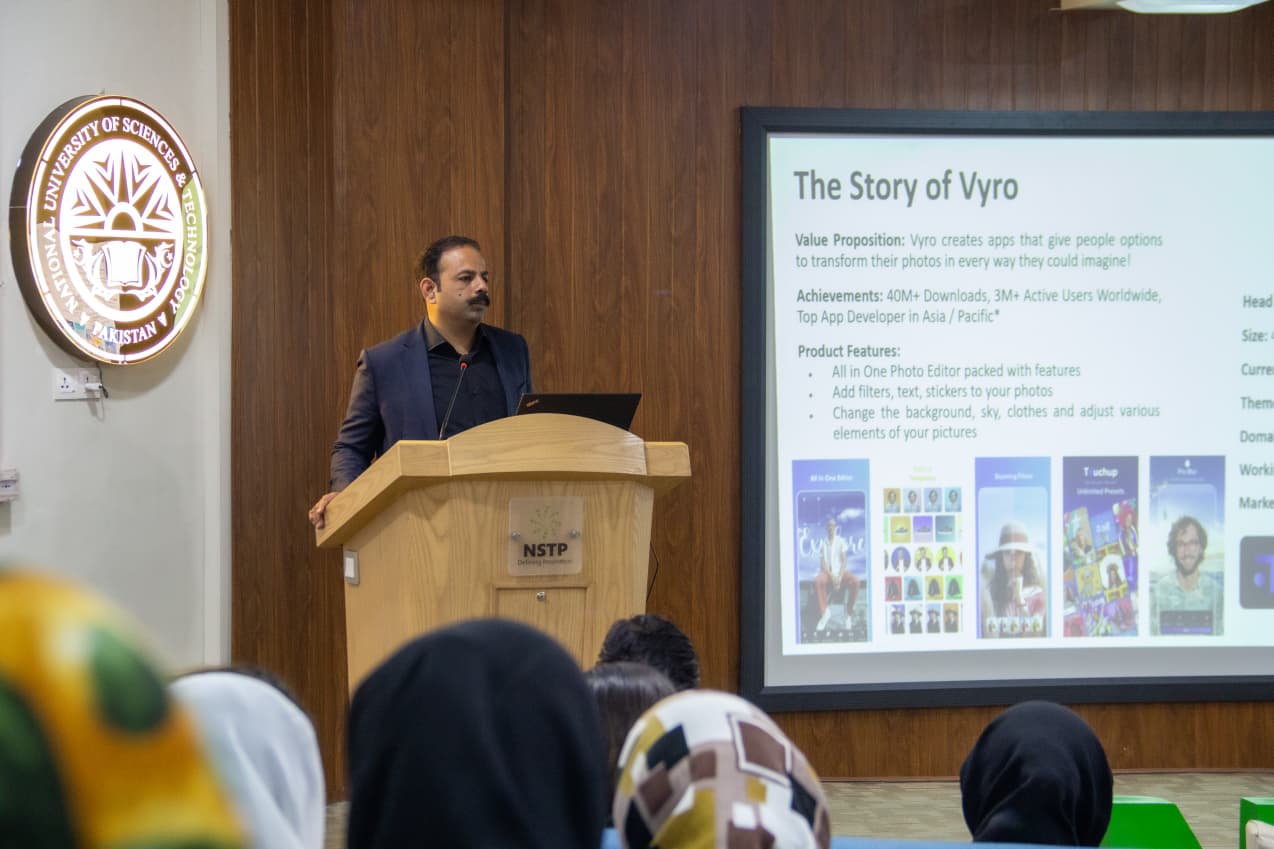 Deputy Director NSTP, addressing the students of UOR.
At NSTP, students explored how AI projects evolve:
• From identifying real-world problems
• To building models
• To testing and scaling solutions
They saw how startups and research teams transform ideas into practical tools.
For many students, this was the first time AI felt… real.
Inside NCAI: Understanding research in action
Research is not abstract.
It’s active.
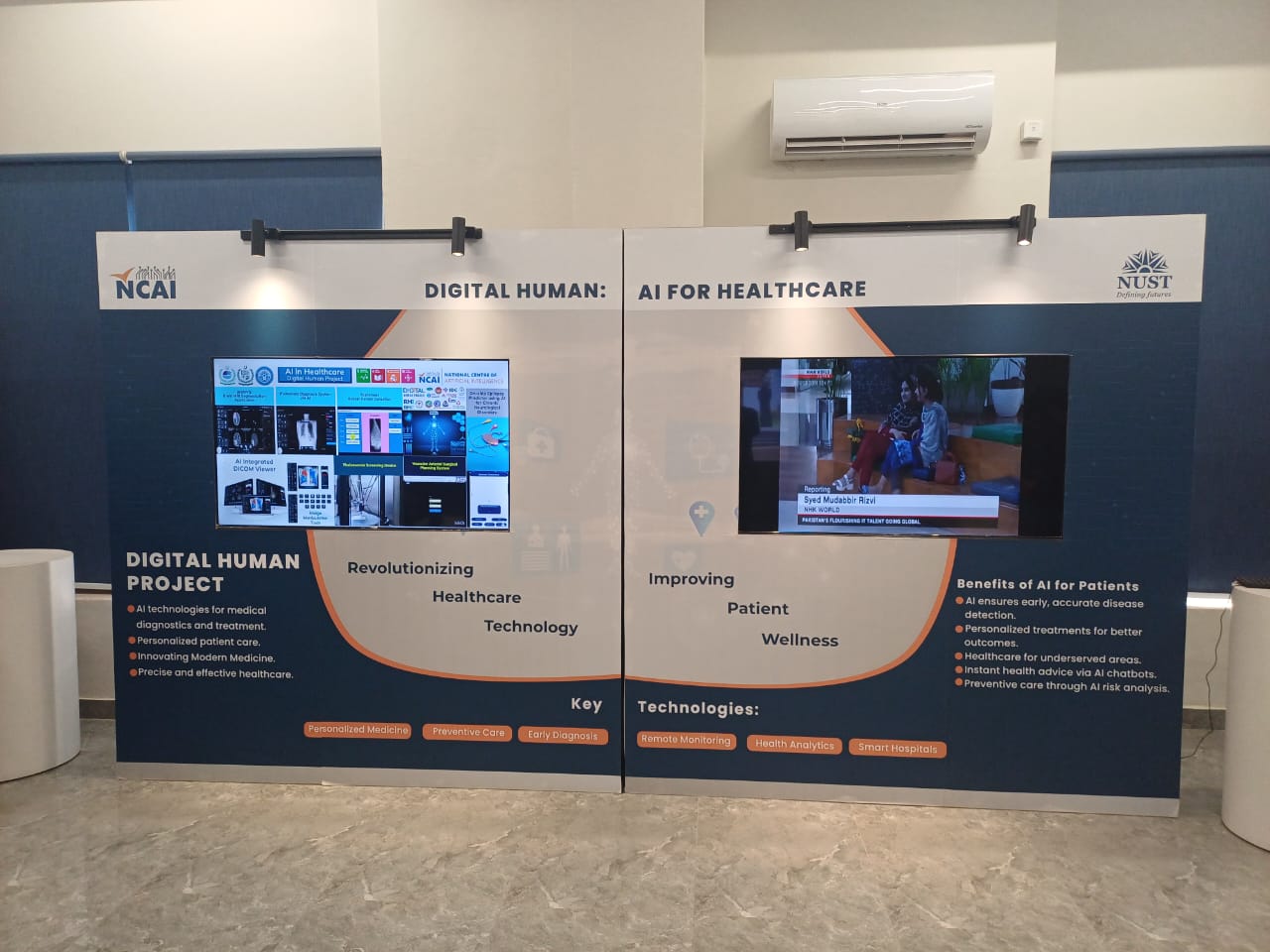
At NCAI, students were introduced to ongoing work in:
• Machine learning
• Data-driven systems
• Intelligent automation
Complex concepts like model training and data interpretation were explained through real projects.
Suddenly, coursework topics weren’t just theory.
They were happening in front of the audience.
When learning becomes clear
Clarity changes everything.
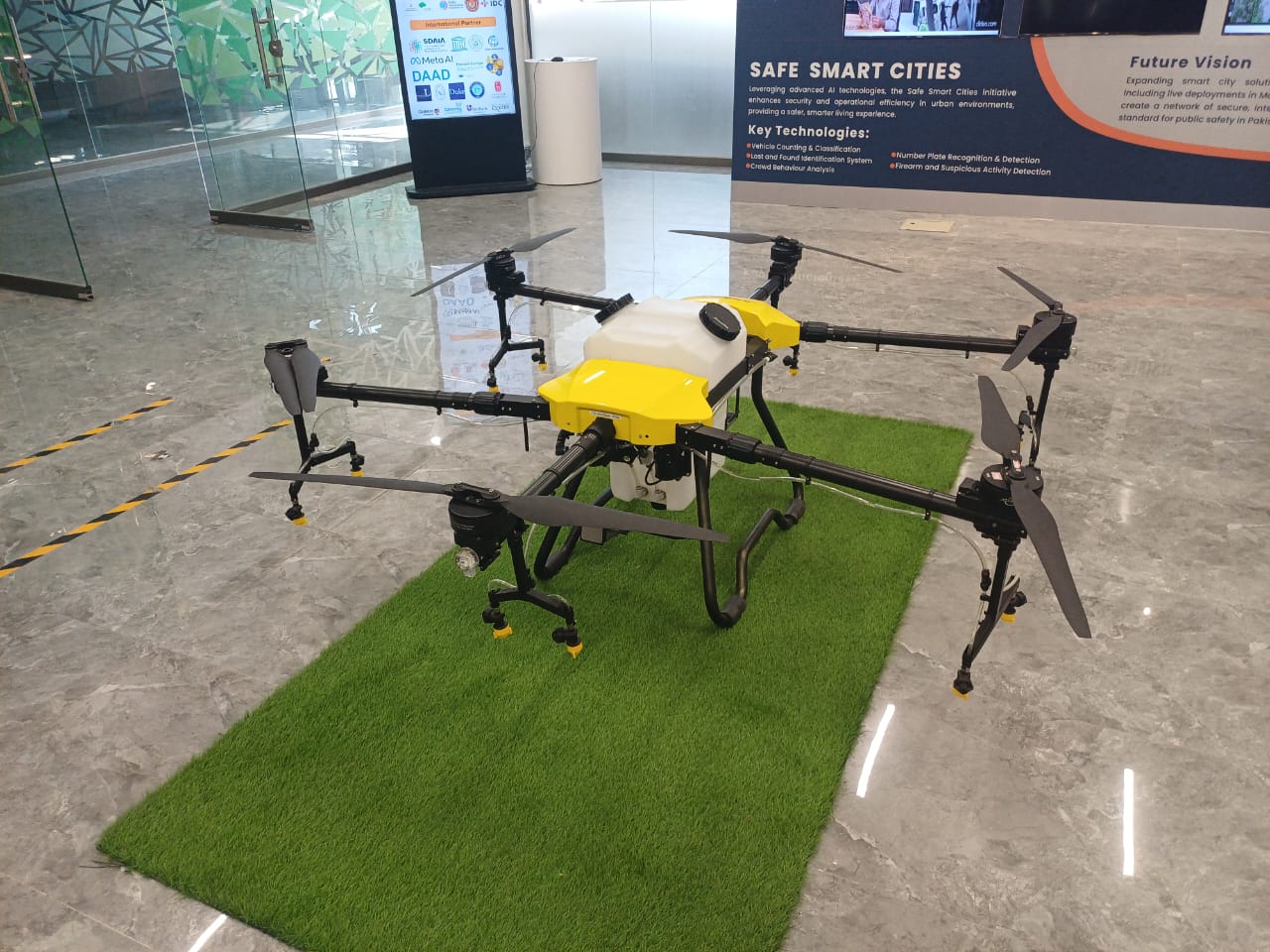
Students began connecting:
• Algorithms to real applications
• Data to decision-making systems
• AI models to real-world impact
What once felt complex started making sense.
Because seeing something changes how you understand it.
Students didn’t just observe; they reflected
The experience wasn’t passive.
It was personal.
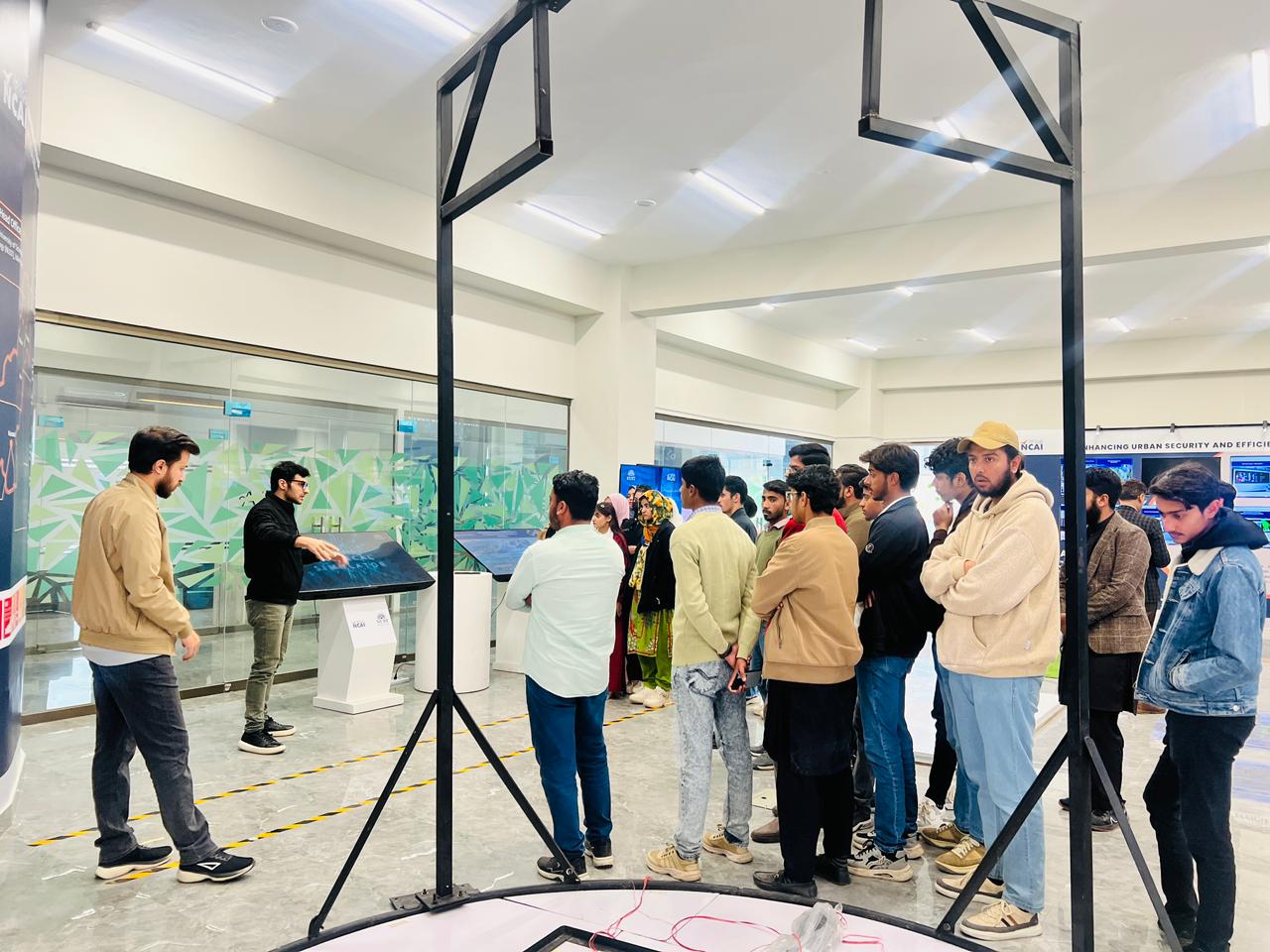 Interactive discussions with AI researchers at NCAI helped students connect academic concepts with ongoing research and societal applications.
Students shared how the visit helped them:
• Understand career paths in AI
• Think beyond software development
• Explore research and innovation
For many, it shaped direction.
For others, it sparked curiosity.
And both matter.
Skills that go beyond coding
AI is not just technical.
It’s strategic.
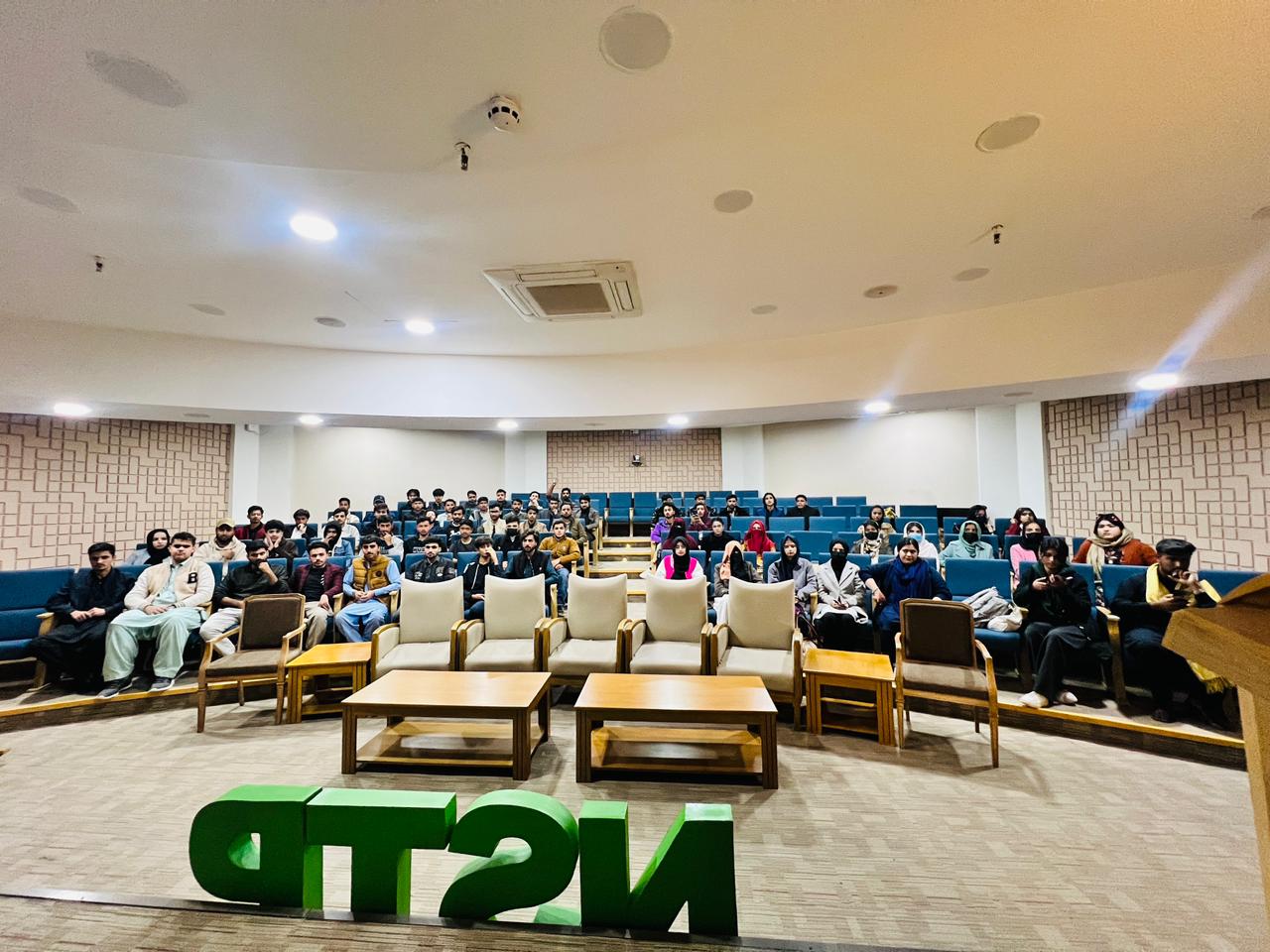 UOR students participating in an AI session at NSTP, bridging theoretical knowledge with real-world applications.
Through this visit, students realized the importance of:
• Critical thinking
• Problem-solving
• Interdisciplinary collaboration
• Continuous learning
These are the skills that define future-ready graduates.
Why experiences like this matter now
The future of work is changing.
And fast.
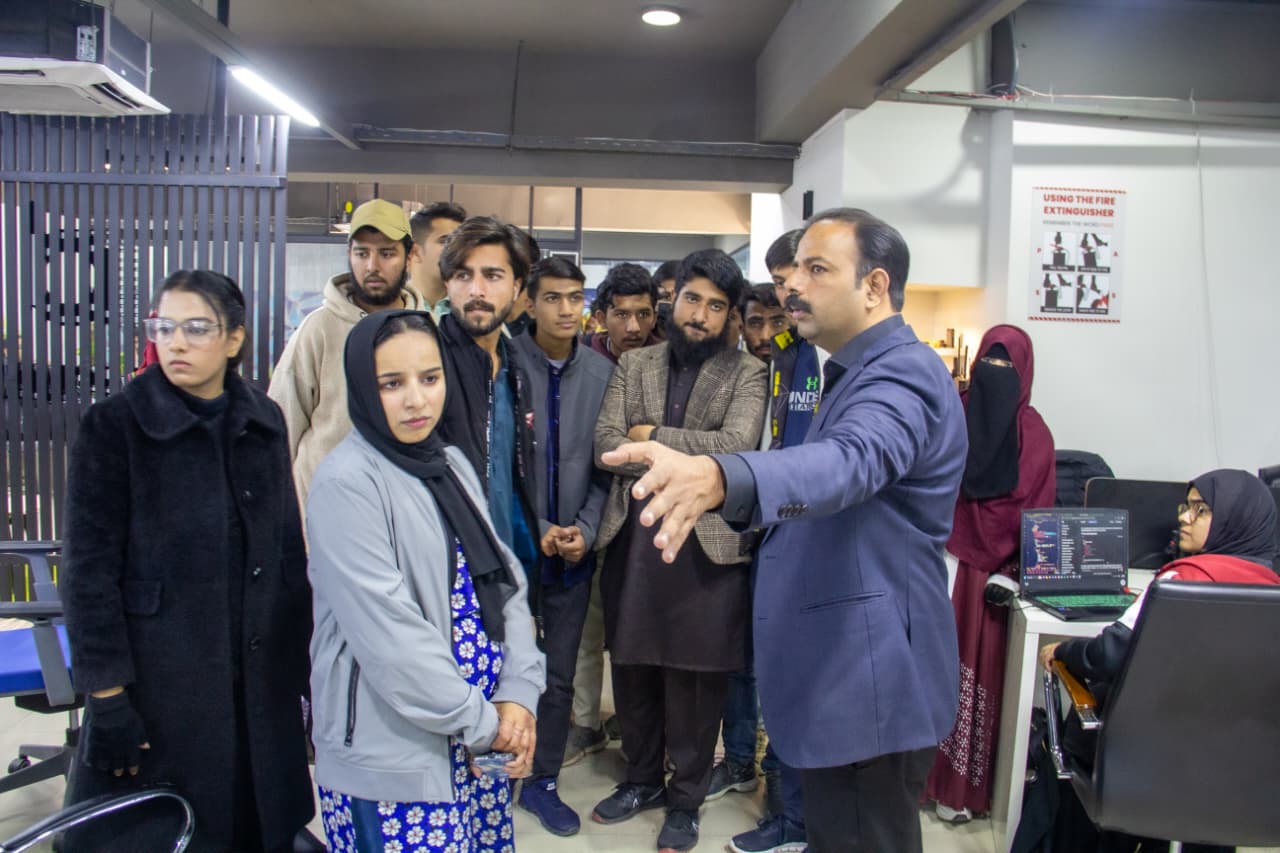 Engaging directly with industry experts, students gain firsthand insight into how Artificial Intelligence is applied beyond the classroom.
Global insights continue to highlight that students need:
• Practical exposure
• Industry awareness
• Real-world problem-solving experience
Lecture-based learning alone is no longer enough.
UOR is responding to this shift.
The bigger picture for universities
One visit can teach a lot.
But it also raises bigger questions.
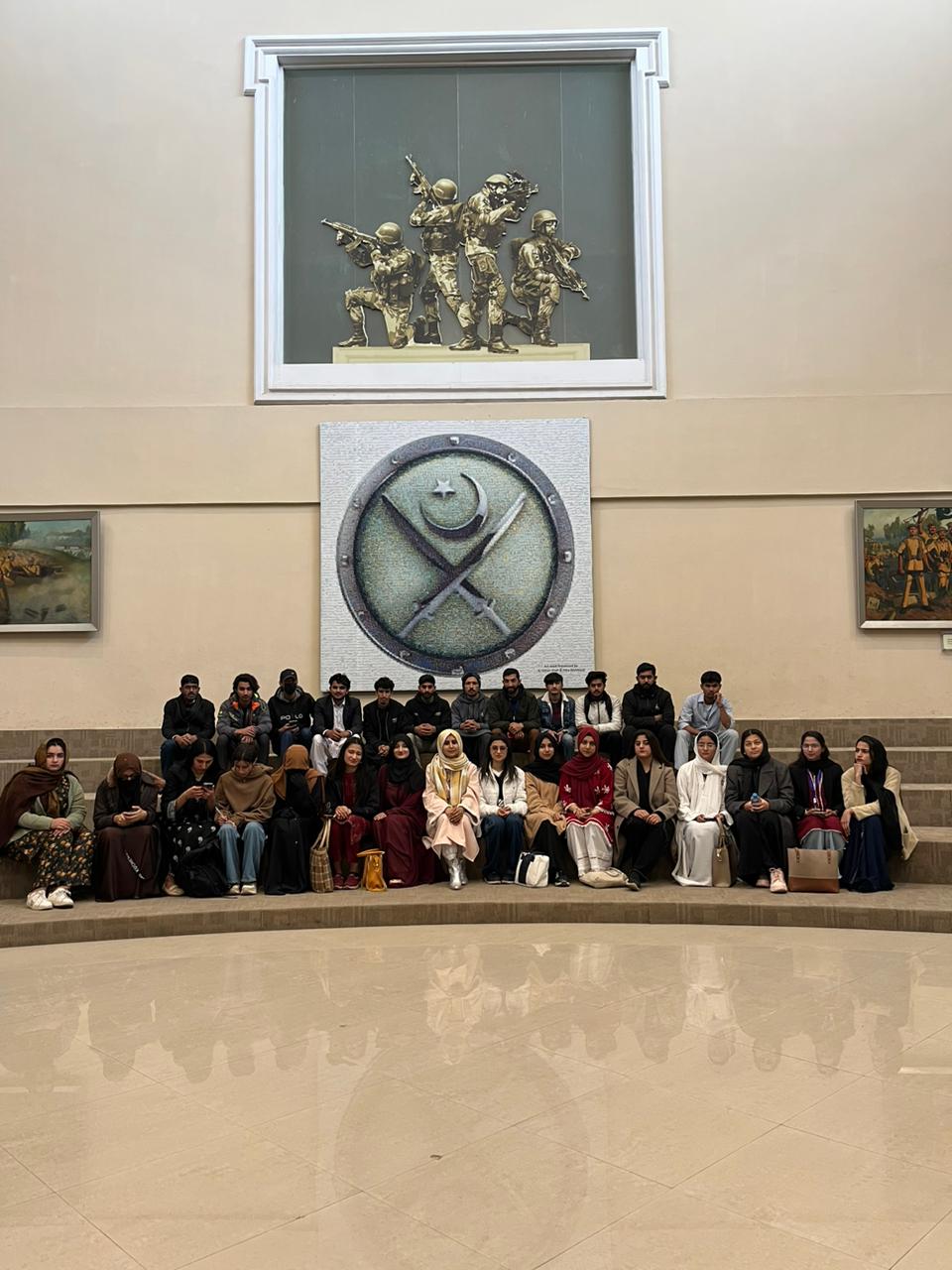
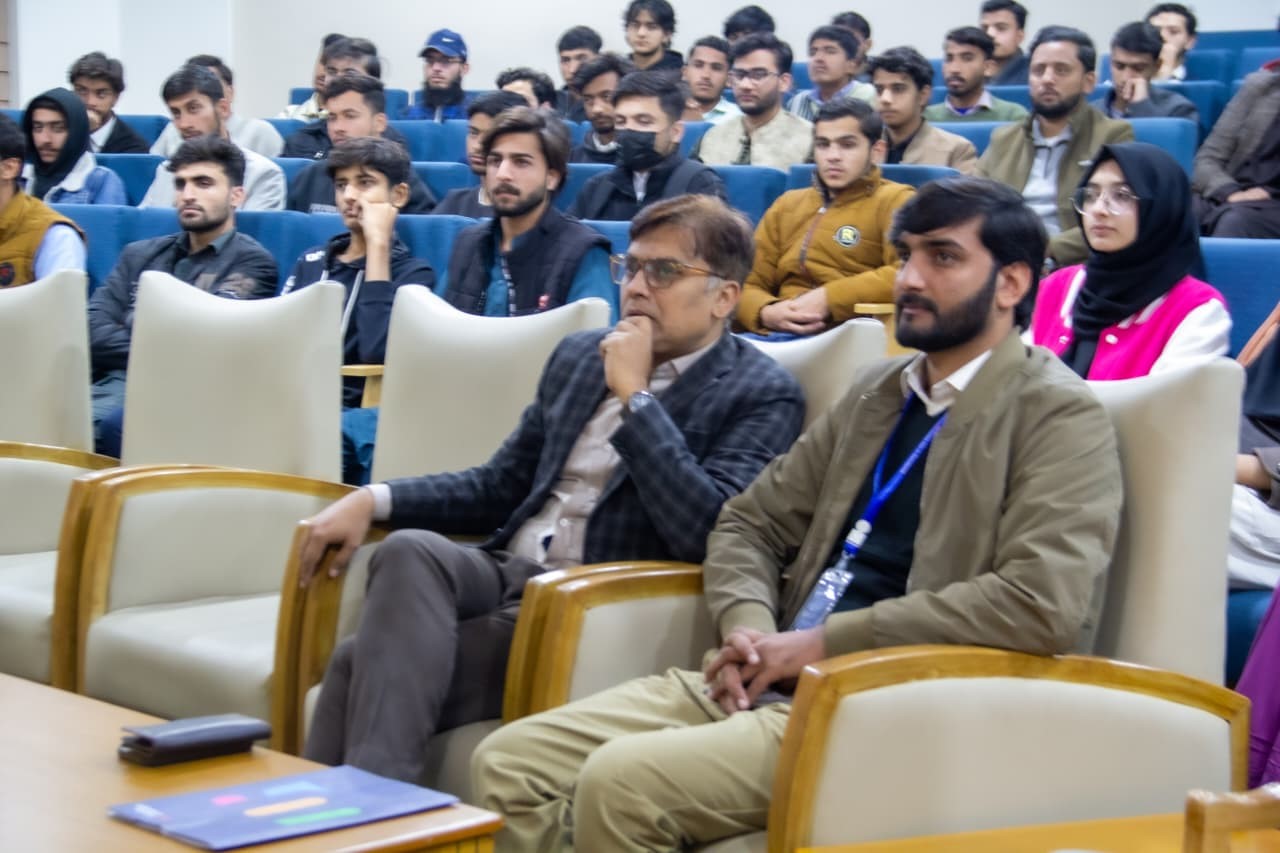 Faculty members accompanying students during the visit, reinforcing the importance of guided, practice-oriented learning experiences.
How can universities:
• Bridge the gap between theory and practice?
• Prepare students for AI-driven careers?
• Build stronger industry connections?
Experiences like this are part of the answer.
The UOR approach: Learning that prepares you
At UOR, education is evolving.
Through initiatives like AI field visits, students are encouraged to:
• Explore beyond classrooms
• Engage with real systems
• Understand how industries work
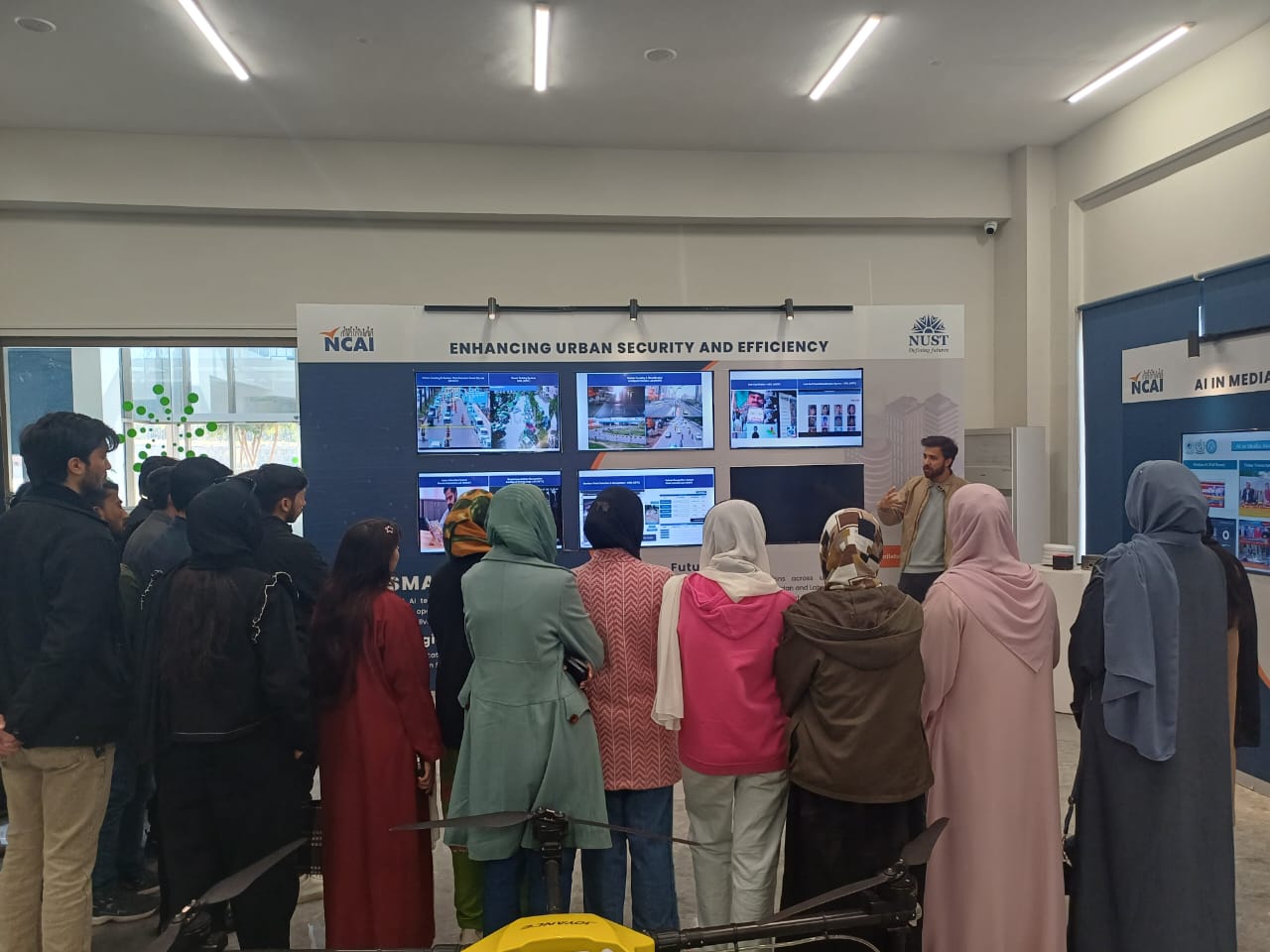 students explore how AI concepts are transformed into practical solutions and innovations.
Because learning should not stop at theory.
From classroom to career thinking
This visit wasn’t just about AI.
It was about perspective.
Students left with:
• Better understanding
• Stronger motivation
• Clearer direction
And that’s what real education looks like.
Start Your Journey in Tech
Still figuring out if tech is the right direction for you? Take a closer look at the BS Computer Science and BS Software Engineering programs at UOR and discover how structured learning and practical exposure can help you build real-world skills.