History feels different when you can see it.
Not just read it.
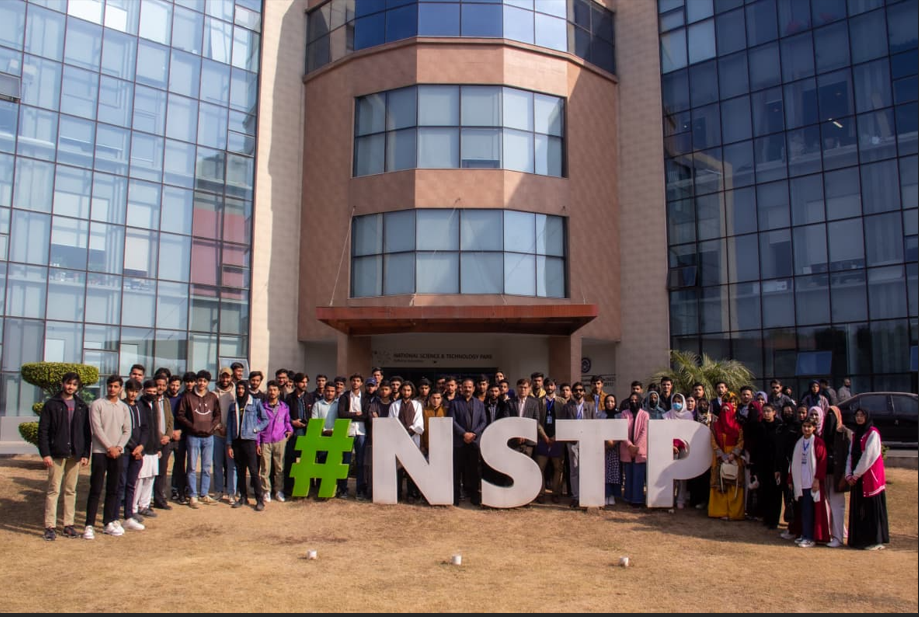
At University of Rawalpindi (UOR), learning is no longer limited to lectures. Students are increasingly stepping into real-world environments where academic concepts become tangible.
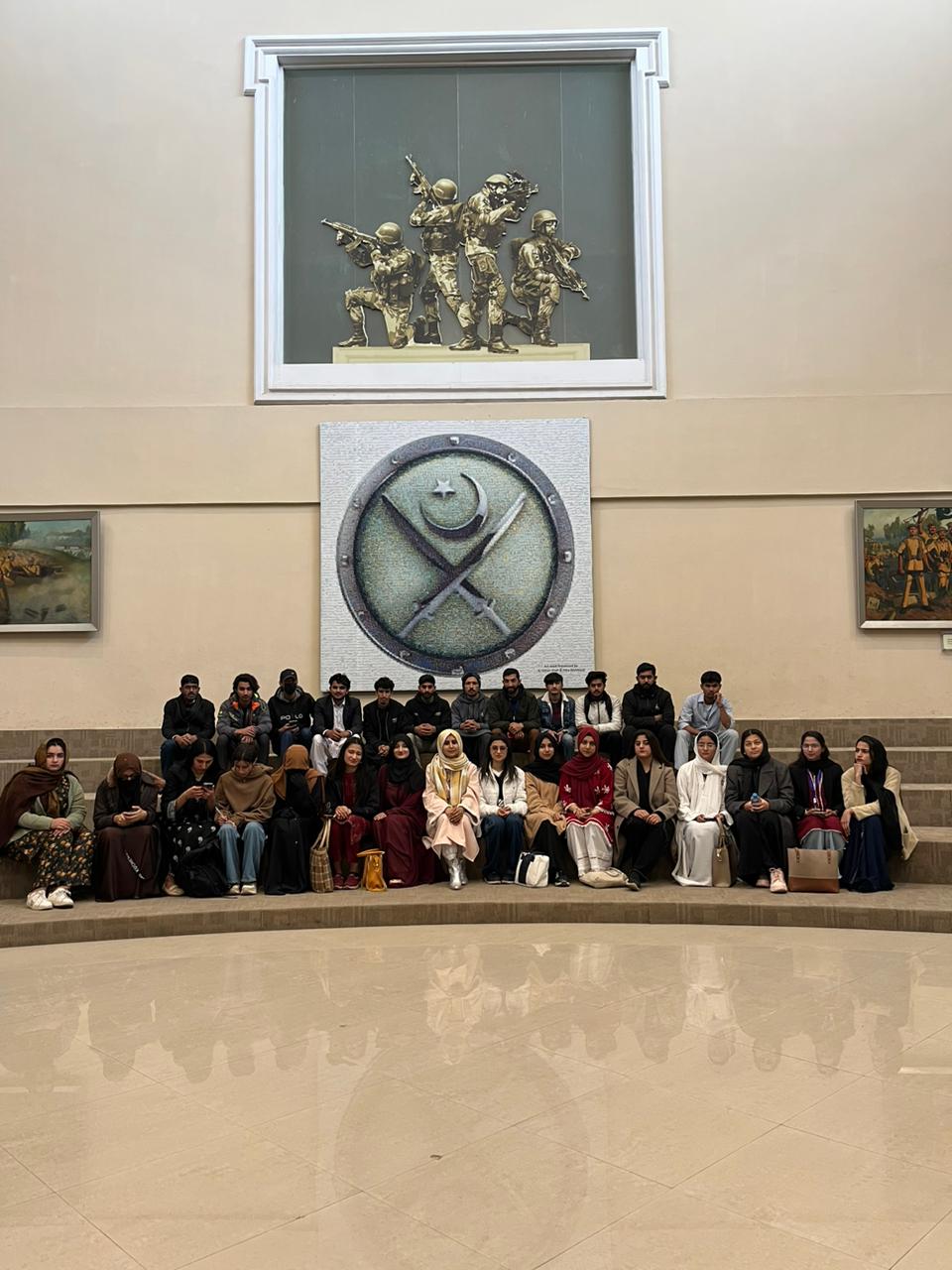
The educational visit to the Pakistan Army Museum was one such experience, where history moved beyond textbooks and into reality.
Some lessons need more than a classroom
Books explain. Experiences connect!
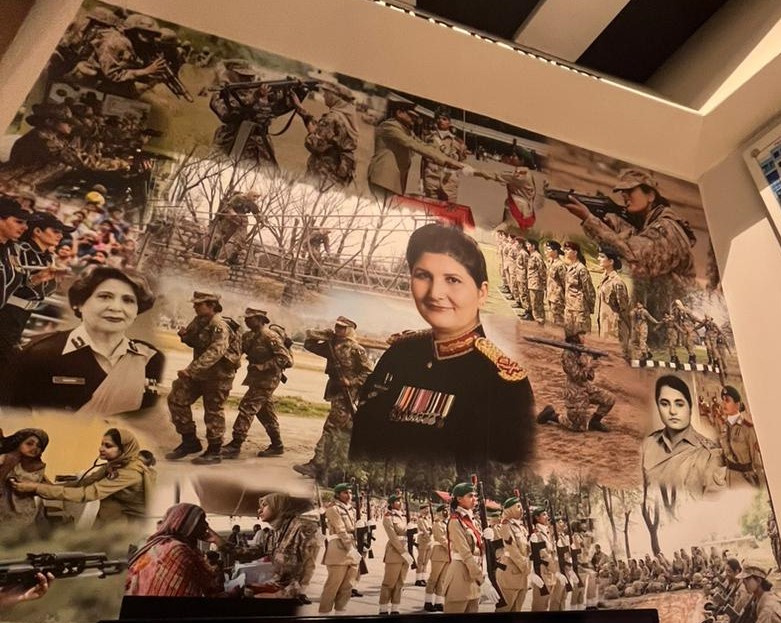
For many students, national history is often theoretical. Dates, events, and narratives are memorized, but not always fully understood.
At UOR, we address this gap through experiential learning. Educational visits allow students to engage directly with institutions, environments, and historical contexts.
Because understanding deepens when you can see, observe, and reflect.
A visit designed with purpose
This experience wasn’t just a trip.
It was structured learning.
Organized as part of UOR’s student-centered academic approach, the visit aimed to help students explore Pakistan’s military history, national development, and institutional evolution.
_1776245807.png)
It reflected a broader vision:
• Build awareness
• Encourage reflection
• Connect theory with reality
Walking through history, not just studying it
Seeing changes everything.
At the museum, students explored galleries filled with:
• Historical artifacts
• Military uniforms and medals
• War maps and archival photographs
• Models representing key operations
Each section told a story.
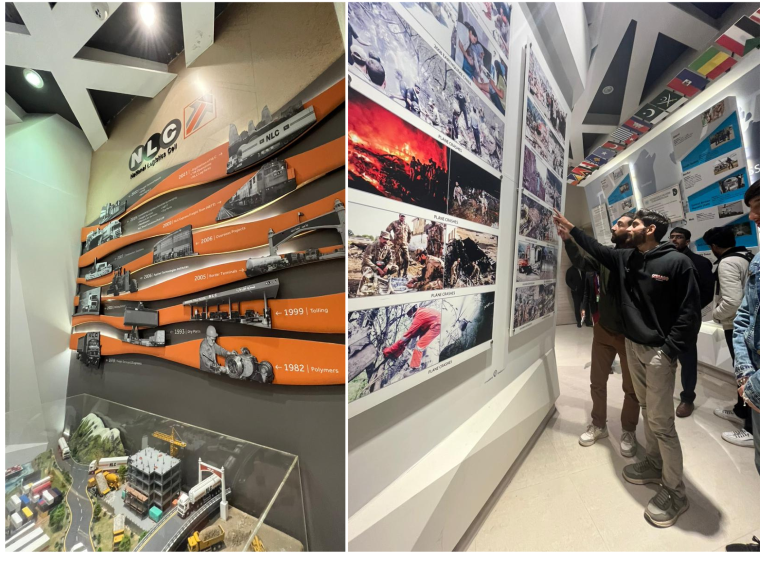
And together, they built a timeline of Pakistan’s defense history.
Learning became visual.
And more meaningful.
Understanding context beyond textbooks
History is not isolated. It connects everything!
Through guided exploration, students began linking historical events with political, social, and regional dynamics.
Concepts that once felt abstract, like national security, institutional development, and strategic decision-making, started to make sense in a broader context.
Because context creates clarity.
Where theory meets observation
Knowing is one thing. Seeing is another!
_1776317510.png)
The visit reinforced concepts taught in
• History
• Political science
• International relations
• Pakistan studies
Instead of passive learning, students engaged actively, observing, questioning, and interpreting.
And that shift makes learning last longer.
Different students. Shared learning
History speaks to everyone. Not just one discipline!
_1776317727.png)
Students from diverse academic backgrounds participated in the visit. Despite different fields, they all connected with themes like:
• Leadership
• Resilience
• Governance
• National identity
This highlighted something important:
Real learning is interdisciplinary
Why experiences like this matter
Research supports what students feel.
Globally, institutions like UNESCO emphasize that museums play a key role in education by promoting critical thinking and cultural understanding.
_1776318062.png)
Learning becomes stronger when it is:
• Interactive
• Immersive
• Context-driven
UOR is aligning with this global shift.
Learning that builds awareness
Education is not just academic.
It’s also civic.
The visit encouraged students to reflect on the following:
• Responsibility
• National service
• Collective memory
Moments of reflection emerged as students observed stories of sacrifice and discipline.
Because awareness shapes perspective.
The UOR approach to learning
At UOR, education goes beyond lectures.
Through initiatives like educational visits, students are encouraged to:
• Observe real-world systems
• Connect knowledge with context
• Reflect on their role in society
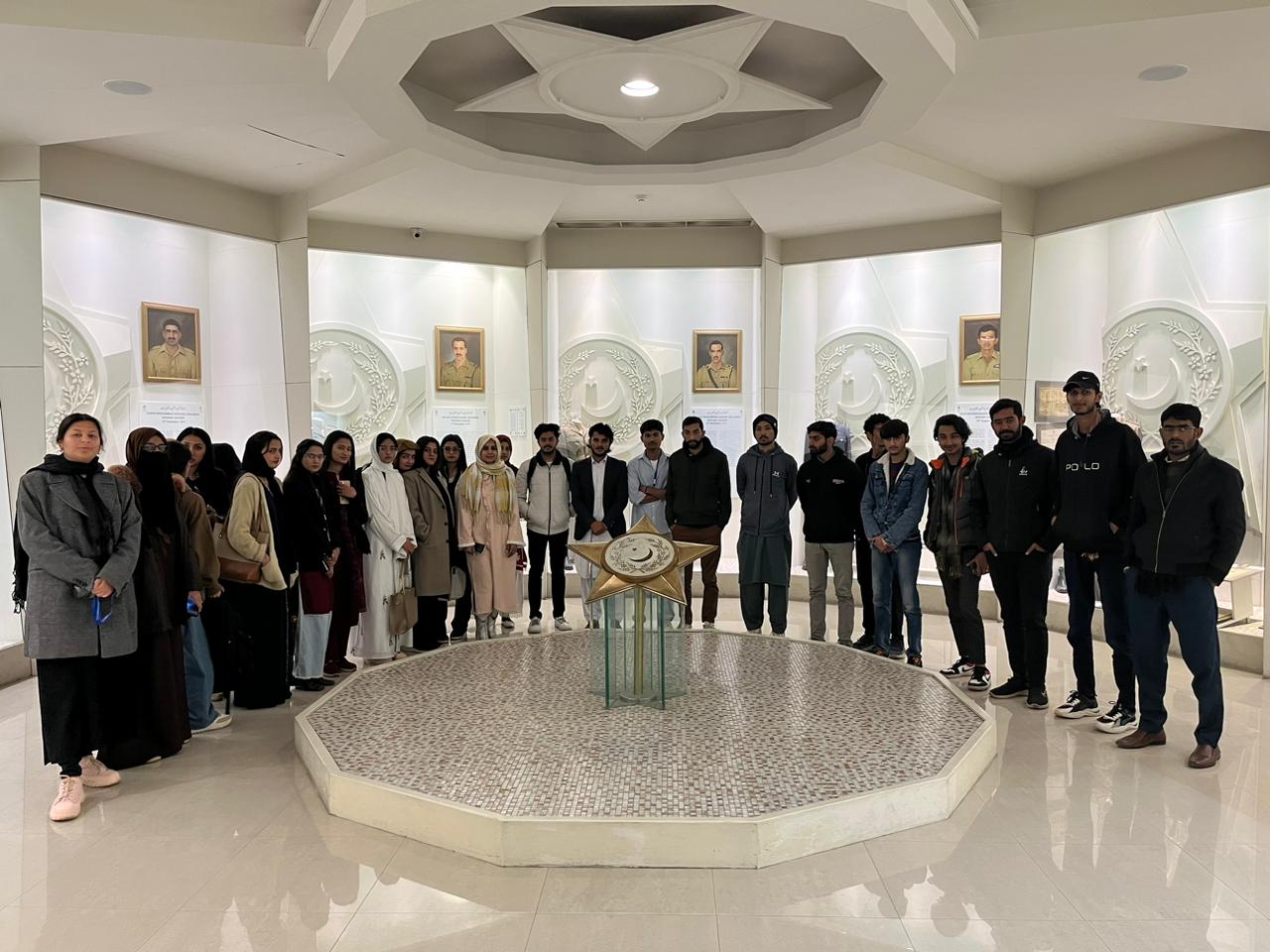
It’s not just about gaining information.
It’s about developing understanding.
Small experience. Lasting impact.
A single visit cannot cover all of history.
But it can change how students see it.
By stepping outside classrooms, students develop more profound insight, stronger memory, and greater appreciation for what they study.
And that’s where real education begins.
Experience More Than Just Lectures
At UOR, learning isn’t limited to classrooms; it’s built through projects, discussions, and real-world engagement. To see how this translates into your academic journey, explore Programs, get a closer look at Life at UOR, or move forward with confidence and Apply Now.