Exhausted doesn’t mean incapable
It means you’ve been carrying too much for too long.
There’s a quiet kind of fatigue many university students experience. You’re attending classes, preparing for examinations, meeting deadlines, and trying to stay consistent, yet motivation begins to slip. What once felt exciting starts feeling heavy. Burnout doesn’t happen overnight. It builds slowly when effort continues but recovery doesn’t.
The solution isn’t quitting. It’s recalibrating.
Burnout is overload, not lack of intelligence
Your capacity hasn’t disappeared. Your energy has.

Students often misinterpret exhaustion as academic weakness. However, burnout is widely recognized as a response to prolonged stress. Research published in Springer shows that burnout is not just about feeling overwhelmed; it directly affects students’ motivation, performance, and overall learning experience. Instead of ignoring it, recognizing burnout early can help students respond more effectively and regain balance.
Understanding this reduces self-blame. And self-compassion restores clarity.
Rest is strategy. Not laziness
Recovery fuels performance.
The brain consolidates information during periods of rest. Short, intentional breaks improve focus, memory retention, and problem-solving ability. Continuous studying without pause actually weakens efficiency.
Protecting your energy is not a distraction from learning. It strengthens it.
Structure beats long hours
Smart effort outperforms endless effort.
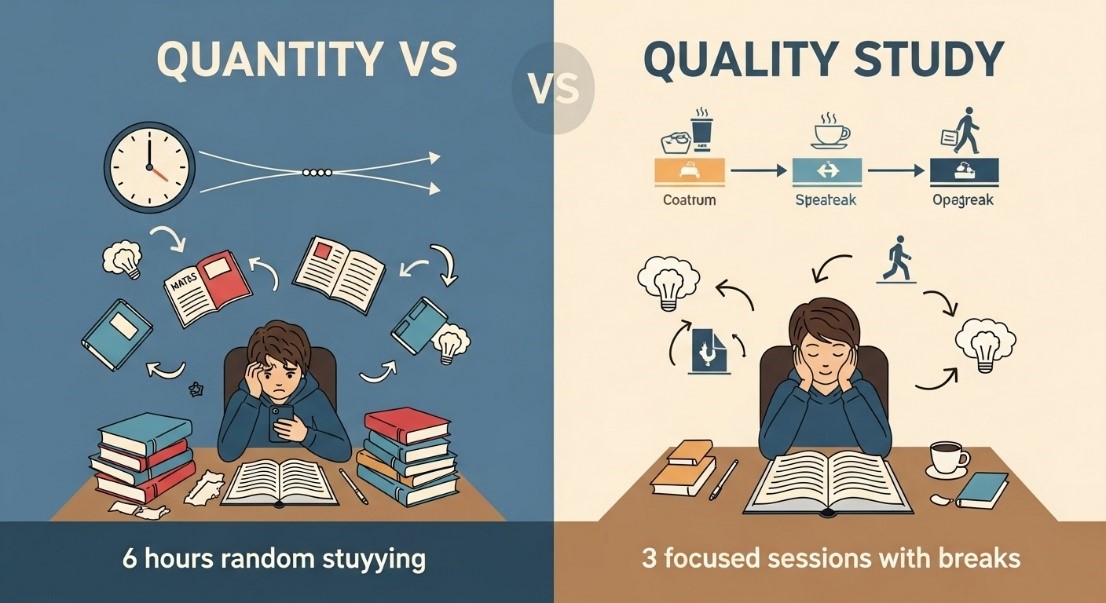
Unstructured study sessions create mental fatigue with little direction. When students define clear goals and divide study time into focused intervals, learning becomes purposeful. Efficiency increases because attention has boundaries.
It’s not about studying less. It’s about studying with intention.
Perfectionism is quiet pressure
Progress is healthier than perfection.

High-achieving students often burn out chasing flawless results. Every assignment becomes a test of worth. Every grade feels personal. But university education is designed for development, not perfection.
Mistakes are information. Feedback is direction. Growth accelerates when students allow space for improvement rather than demanding instant excellence.
Isolation magnifies stress
Connection restores motivation.
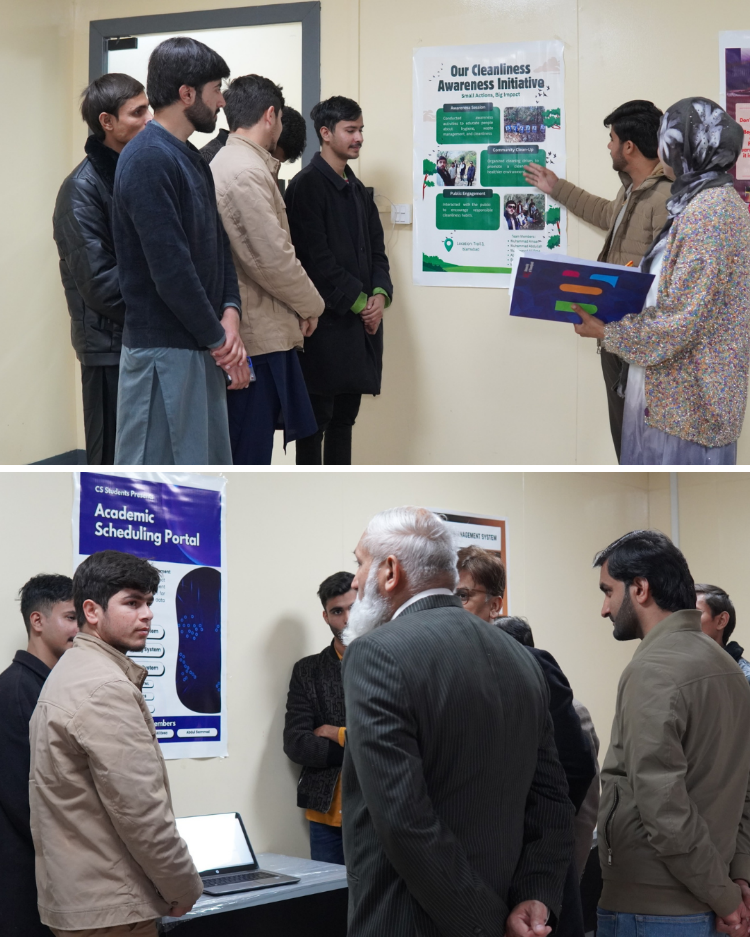
When students internalize challenges and avoid discussion, academic pressure intensifies. Collaborative learning changes that dynamic. Group projects, interactive presentations, and open conversations create shared understanding.
Learning feels lighter when it is shared. Community strengthens resilience.
Sleep is academic infrastructure
Without it, nothing works well.

Sleep deprivation affects concentration, emotional regulation, and long-term memory formation. Late-night cramming may feel productive, but it weakens the next day’s performance.
A consistent routine, balanced sleep, hydration, and short movement breaks stabilize both mind and body. Sustainable energy produces sustainable results.
Sometimes burnout is feedback
Not a signal to stop, but to adjust.
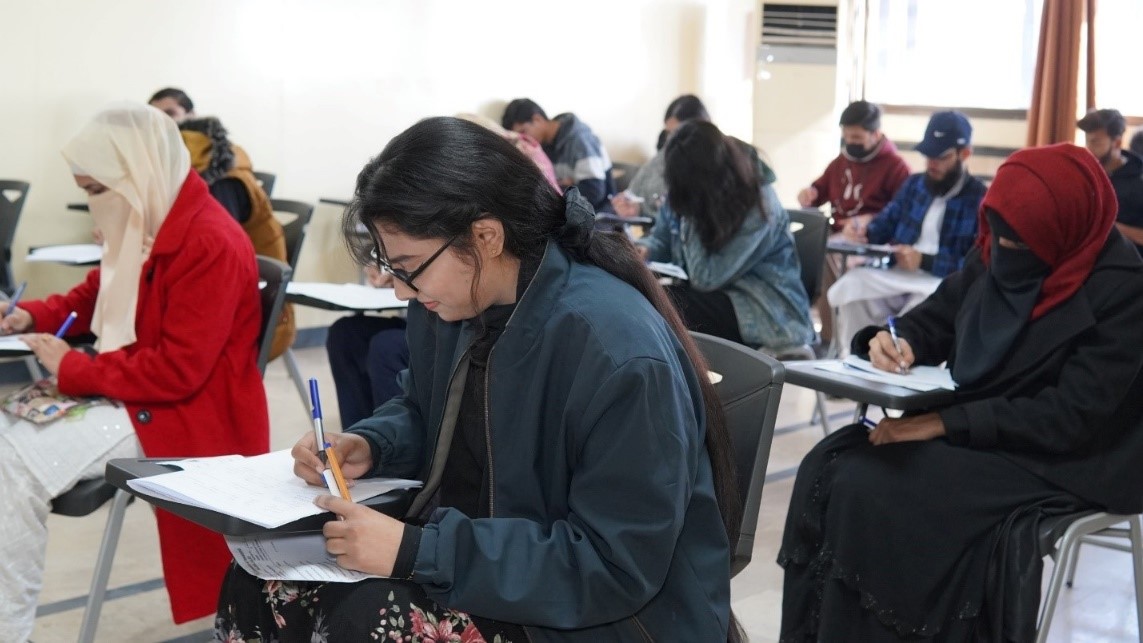
Exhaustion can indicate misalignment. Perhaps you’re memorising without understanding. Perhaps you’re studying without purpose. Perhaps you’re comparing yourself constantly.
When students reconnect their academic efforts with long-term goals, motivation returns. Meaning reduces fatigue. Direction restores energy.
Growth stretches you. It shouldn’t drain you
Challenge builds strength. Depletion signals imbalance.
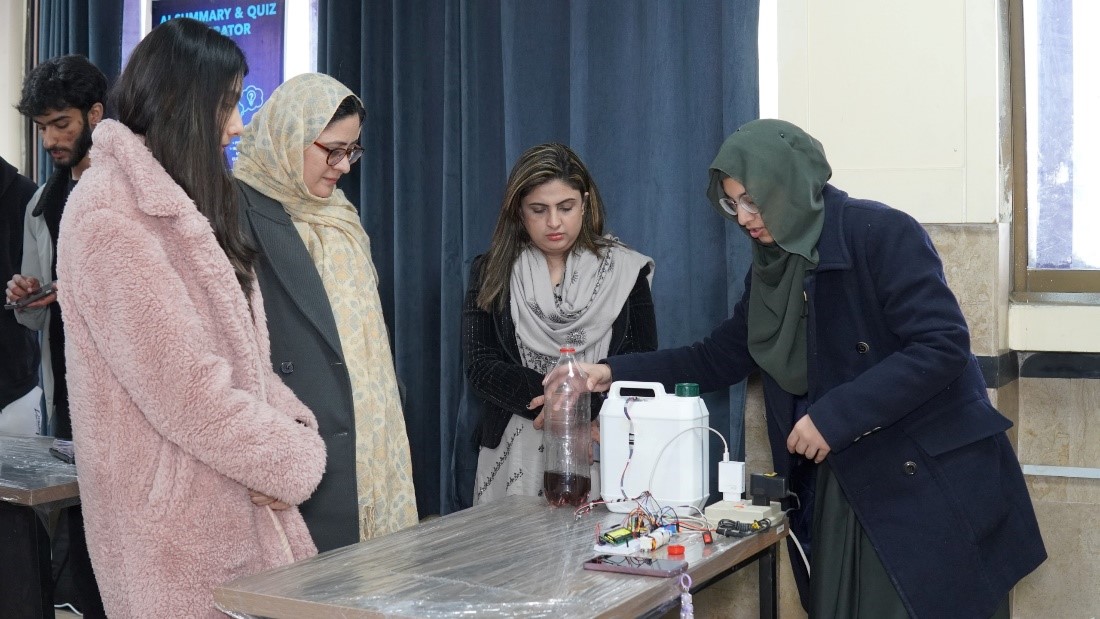
There is a difference between discomfort that builds capacity and exhaustion that empties it. University learning should challenge you while still allowing space for recovery. Recognizing that distinction helps students respond wisely rather than react emotionally.
Adjustment is maturity. Not weakness.
Sustainable learning wins every time
Energy management is academic intelligence.

University is not a sprint. It is a structured journey toward professional and personal development. Students who learn to balance ambition with well-being graduate not only with knowledge but also with resilience.
You don’t have to stop learning to beat burnout.
You simply have to learn differently.
And that shift changes everything.
Your Path to Student Success
Success at university comes from both learning and the right support system. Explore Student-success posts, discover the student experience through Life at UOR, and get clarity from the Admissions FAQ.