
Money decisions don’t come with instructions.
But students make them every day.
From daily expenses to digital payments, financial choices quickly become part of university life. The problem? Most students learn by trying things out.
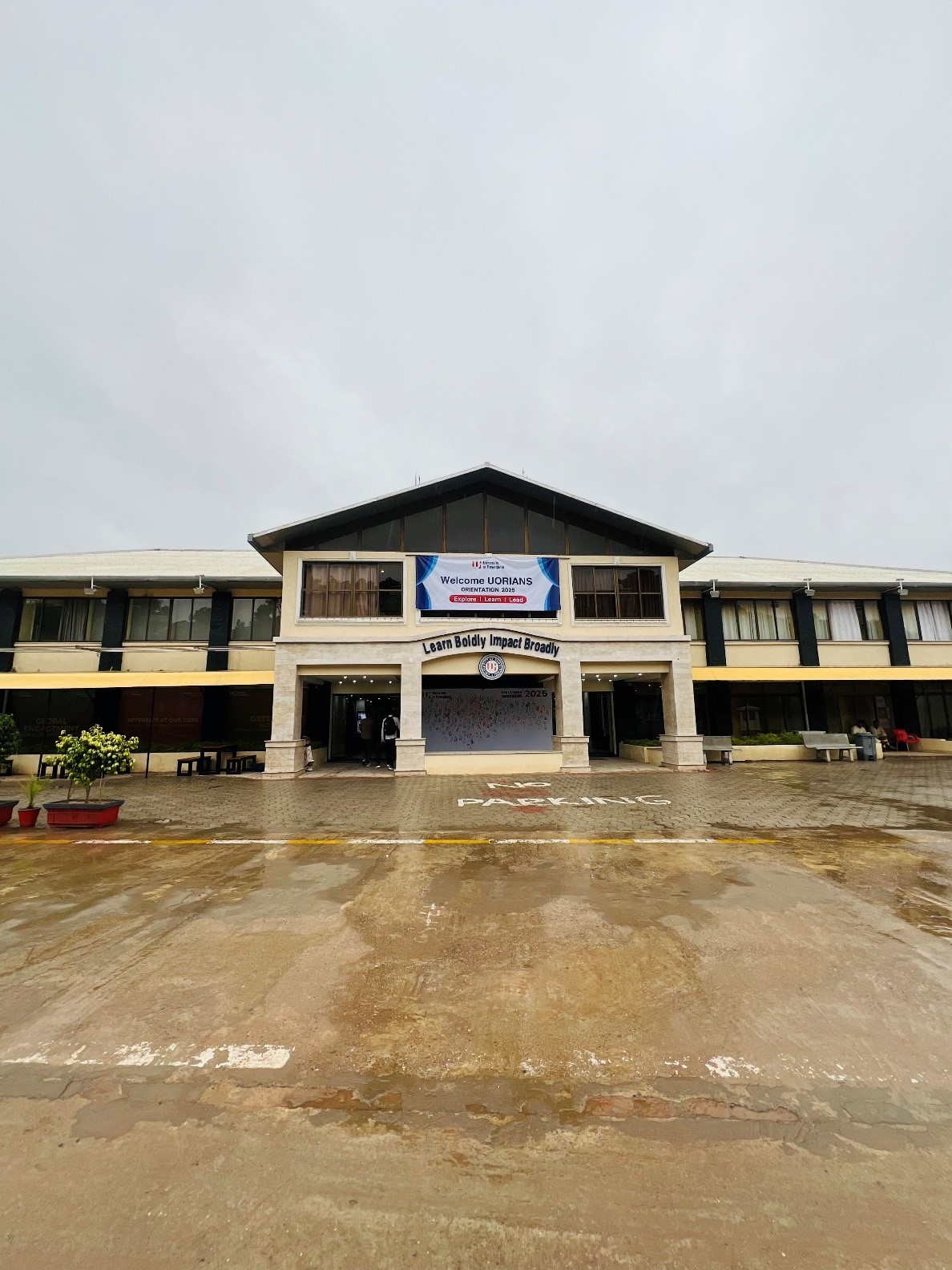
At University of Rawalpindi (UOR), that approach is changing.
Financial literacy is not optional anymore
It’s not just about numbers.
It’s about control.
Students today are expected to manage money earlier than ever. Without the right understanding, small mistakes can turn into long-term habits.
Financial literacy helps students:
• Spend with awareness
• Save with purpose
• Plan with confidence
Because managing money well is a life skill, not just a financial one.
Why learning money skills early matters
Habits form faster than we think.
And they stay longer.
University life is often the first time students handle their finances. From budgeting to banking, every decision shapes future behavior.
Global insights continue to show that financial awareness improves stability, reduces stress, and supports better long-term planning.
In simple terms:
Smart money habits equal smarter life decisions
When learning becomes practical, it sticks
Theory explains.
Practice changes behavior.
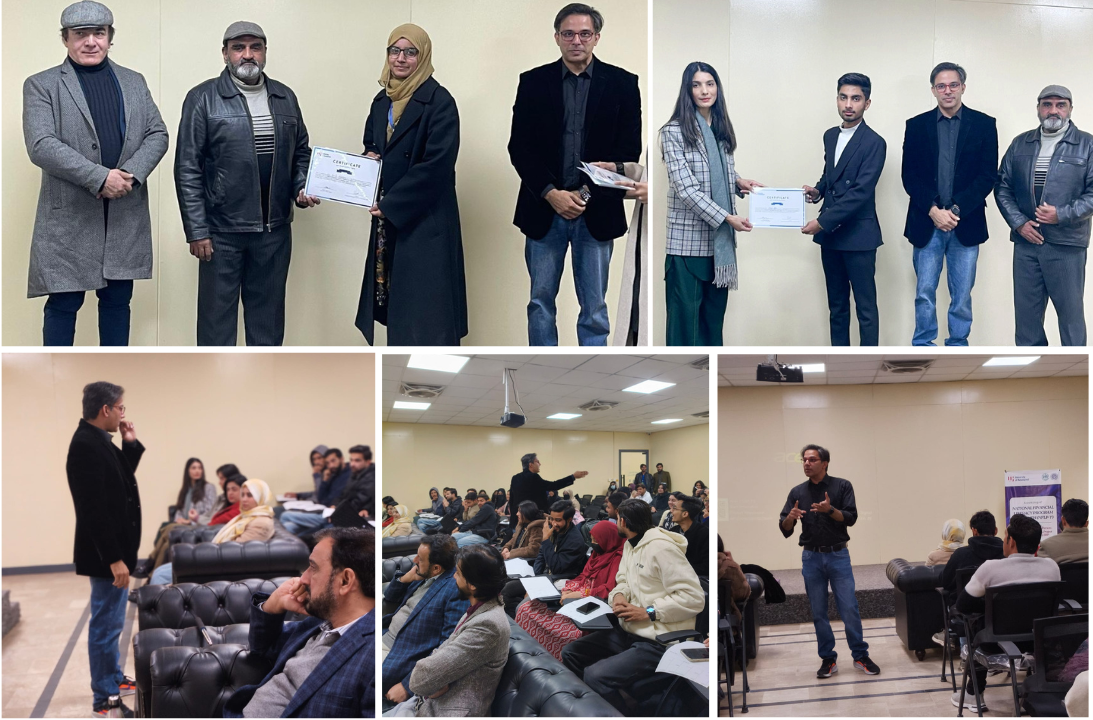
Through the National Financial Literacy Program for Youth (NFLP-Y), an initiative of the State Bank of Pakistan, UOR hosted a workshop designed to make financial learning real.
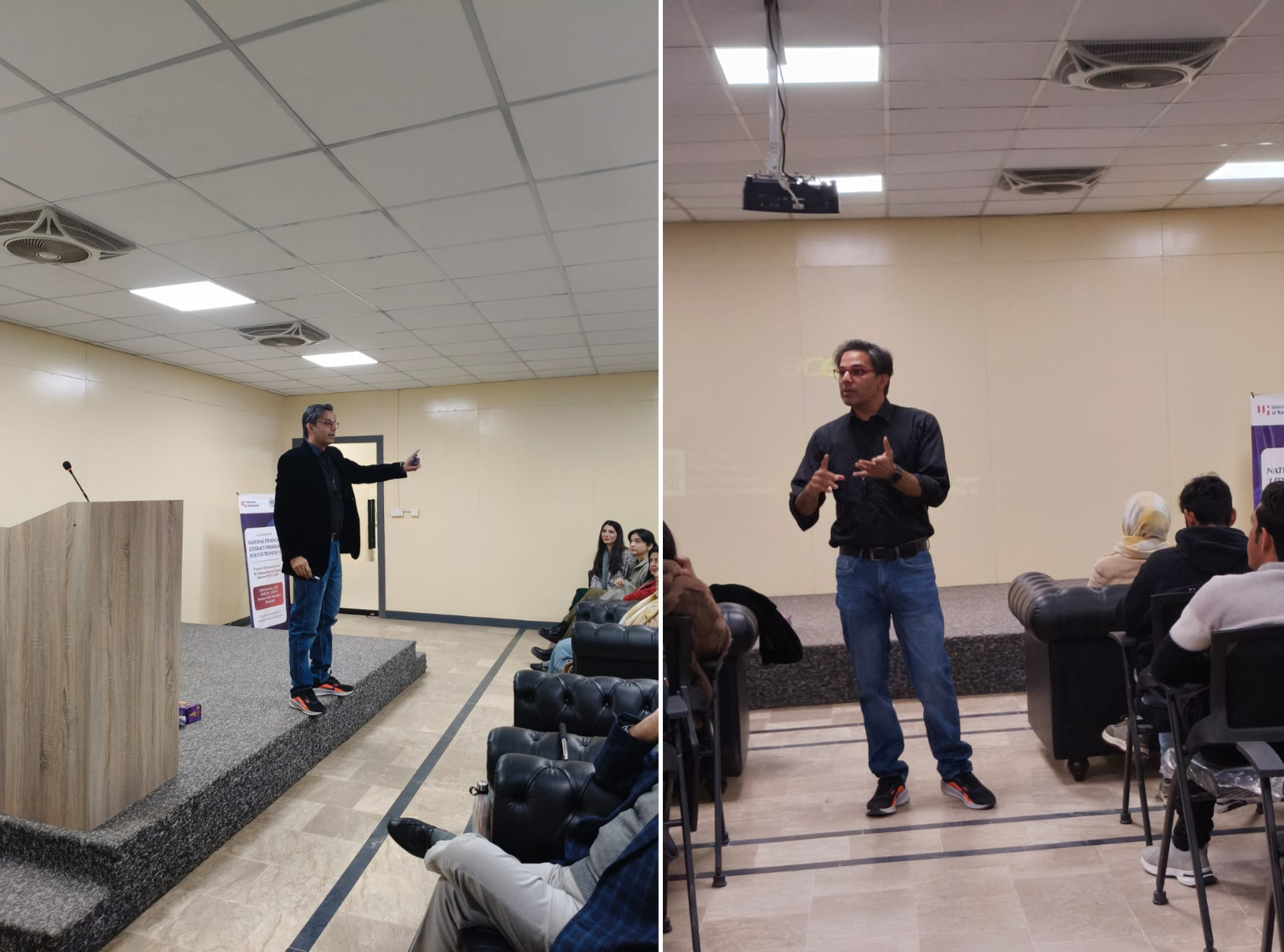
This wasn’t a lecture.
It was an experience.
Students didn’t just listen.
They applied!
Inside the NFLP-Y workshop at UOR
Real learning starts with relevance.
Led by Mr. Salman Shehzad, Project Director of NFLP-Y, the session focused on everyday financial realities, not textbook definitions.
Students explored:
• Personal budgeting
• Saving strategies
• Banking systems
• Responsible borrowing
• Social entrepreneurship
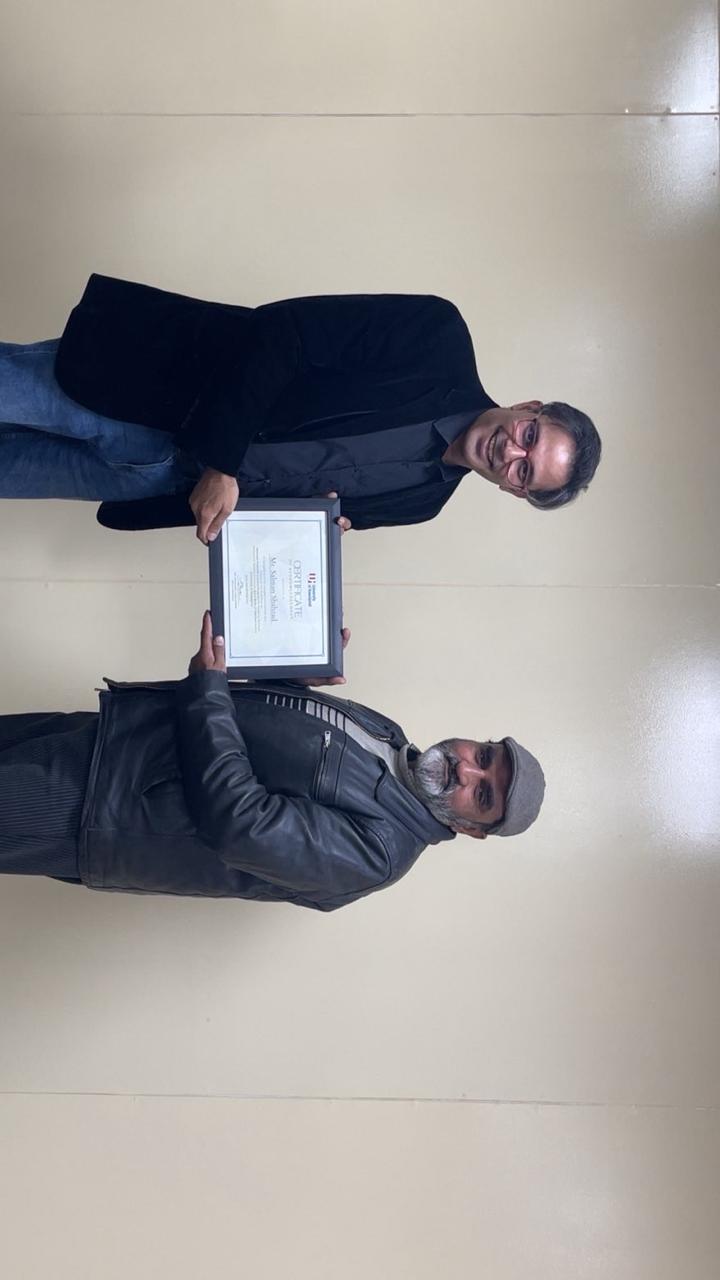
Every concept was connected to real-life decisions.
No jargon.
Just clarity.
Small exercises. Big realizations
Understanding money is one thing.
Managing it is another.

Students created their own monthly budgets. They identified hidden banking charges. They reflected on how they spend and why.
These weren’t complex activities.
But they changed perspective.
Because awareness often begins with simple questions.
Connecting finance with entrepreneurship
Money is not just for saving.
It’s for building.
The workshop introduced the Lean Canvas framework, helping students link financial planning with business ideas.
Students began to see the following:
• How does budgeting connect to business strategy?
• How does financial discipline support entrepreneurship?
• How do ideas turn into sustainable ventures?
Learning expanded beyond personal finance into real-world application.
A broader perspective on financial responsibility
Financial awareness shapes more than individuals.
It shapes societies.
A keynote session by Dr. Abdul Ghaffar Khan emphasized how responsible financial behavior contributes to ethical leadership and sustainable growth.
The message was simple:
Better financial decisions create stronger communities
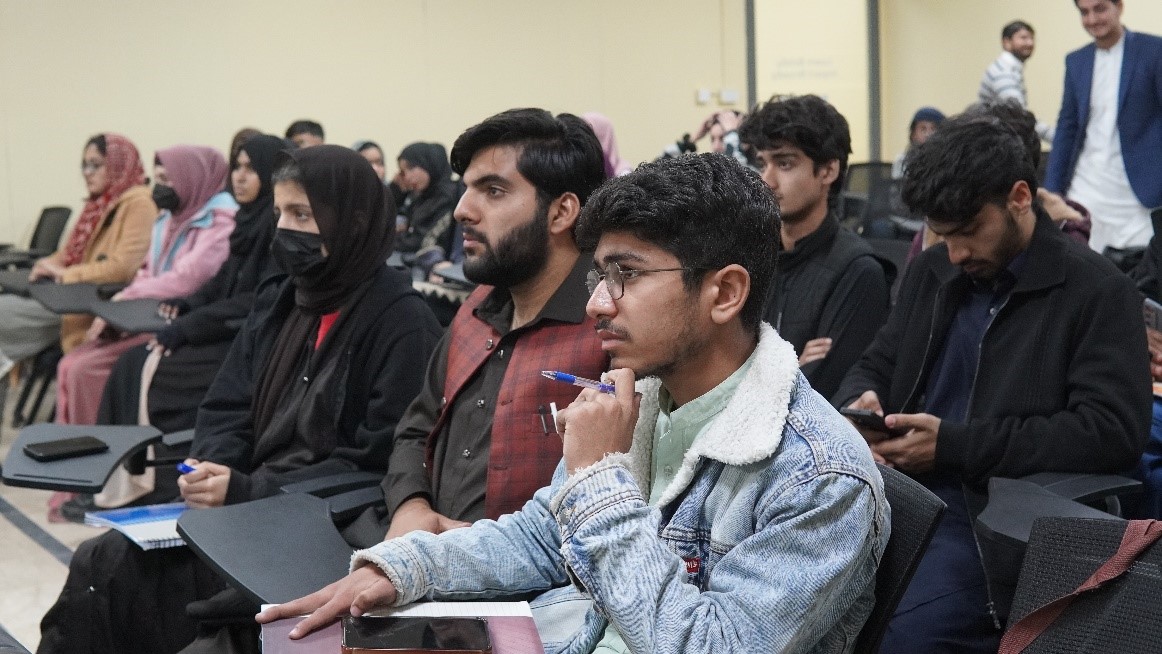
Students didn’t just attend; they engaged
The room wasn’t silent.
It was active.
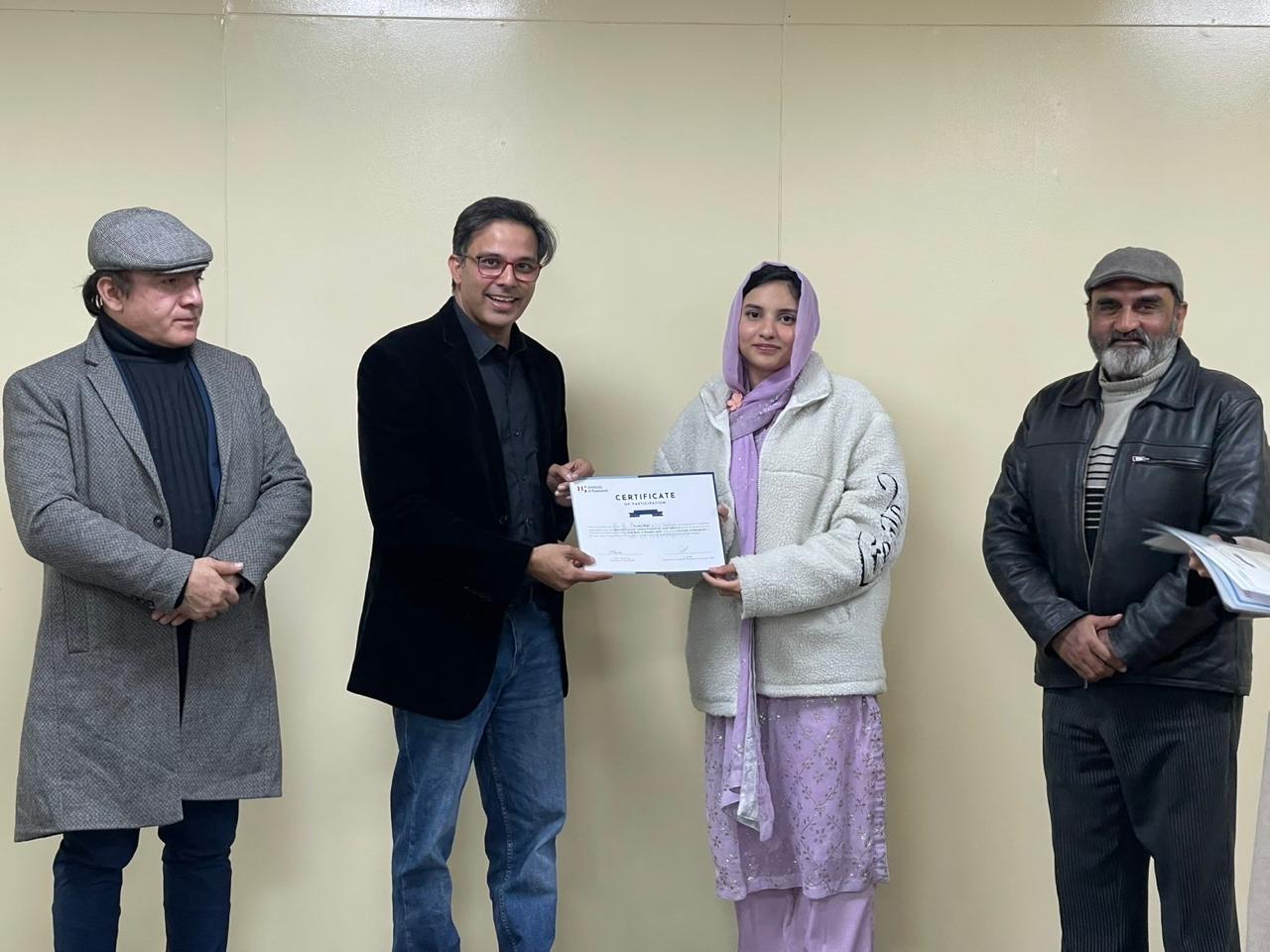
Students asked questions. Shared concerns. Reflected openly on their financial habits. The session felt relevant because it connected directly to their lives.
As one student shared, the experience helped turn theory into something practical and applicable.
And that’s where real learning happens.
More than a workshop, it’s a mindset shift
One session can’t change everything.
But it can change how you think.
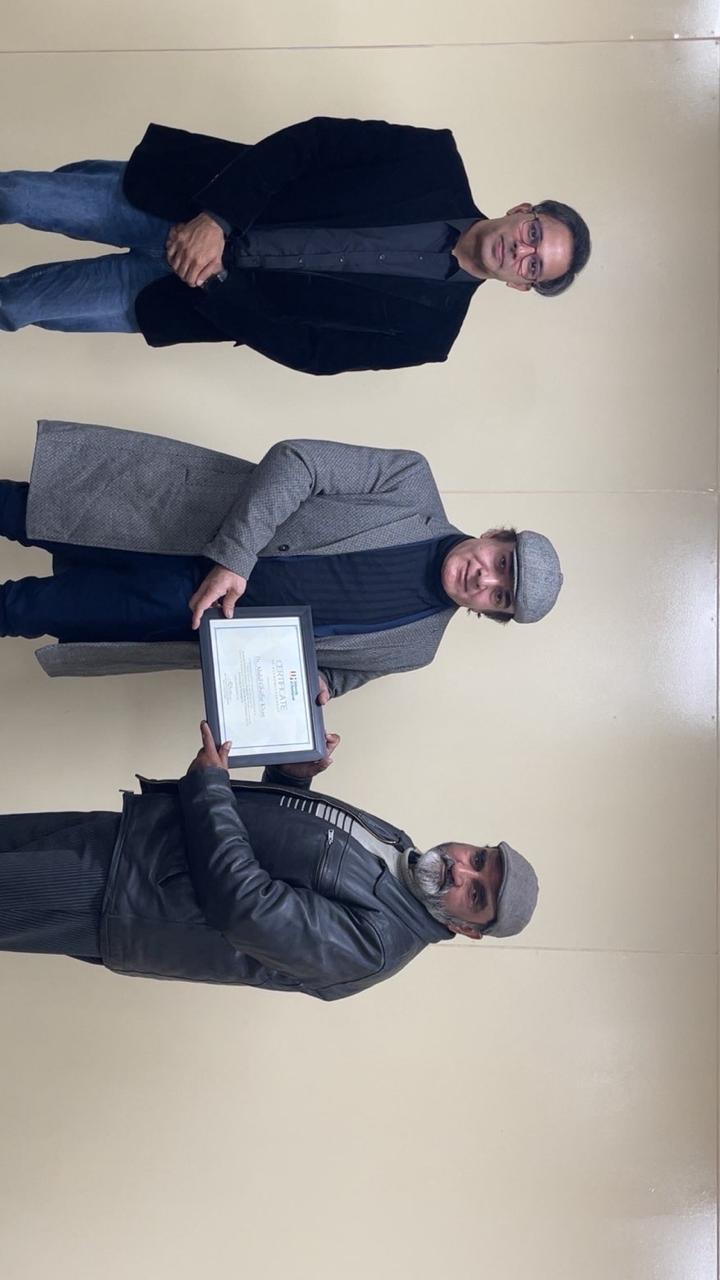
The NFLP-Y initiative at UOR is part of a larger shift toward practical, life-oriented education. Skills like financial literacy may not always be part of traditional coursework, but they shape real-world success.
At UOR, students are not just learning subjects.
They are learning how to navigate life.
The UOR approach: Learning that stays with you
Education should go beyond exams.
It should prepare you for decisions.
By hosting initiatives like NFLP-Y, UOR continues to bridge the gap between academic knowledge and real-world application.
Because degrees matter.
But decisions matter more.
Beyond Academics at UOR
At UOR, student life is built around growth, guidance, and a strong support system. If you’re exploring your options, take a closer look at Life at UOR, review important details in the Admissions FAQ, or explore Programs to move forward with confidence